




UV Protection in FIBC Bags: Why It Matters for Outdoor Storage Applications
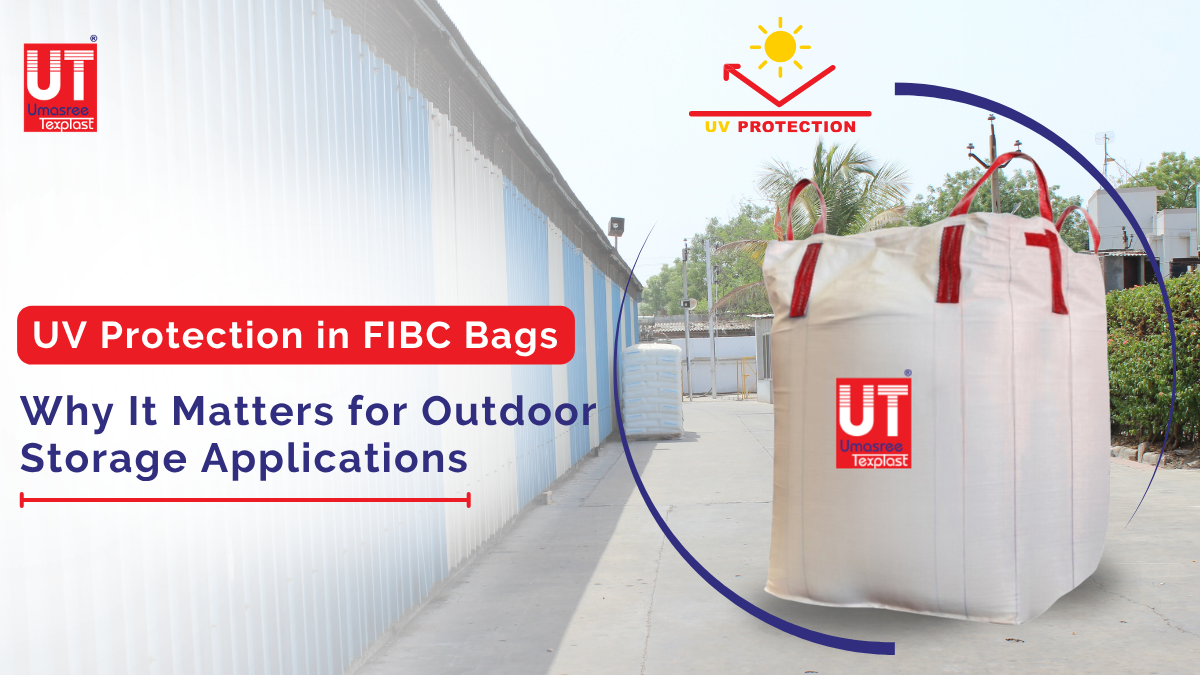
Flexible Intermediate Bulk Containers (FIBCs), commonly known as bulk bags, are widely used across industries for storing and transporting materials such as chemicals, fertilizers, food grains, and construction aggregates. While these bags are known for their strength and versatility, one critical factor often overlooked is UV protection in FIBC bags especially when they are used in outdoor storage applications.
Exposure to sunlight may seem harmless at first, but over time, ultraviolet (UV) radiation can significantly impact the structural integrity and performance of FIBC bags. Understanding the importance of UV protection is essential for ensuring safety, durability, and product quality.
Understanding UV Degradation in FIBC Bags
FIBC bags are typically made from woven polypropylene, a durable polymer material. However, like most plastics, polypropylene is susceptible to UV degradation when exposed to sunlight for extended periods.
UV radiation interacts with the molecular structure of the material, breaking down chemical bonds and weakening the fabric.
This process can lead to:
- Loss of tensile strength
- Brittleness and cracking
- Fabric discoloration and fading
- Reduced load-bearing capacity
- Increased risk of bag failure
Even though FIBCs are designed to handle heavy loads, prolonged UV exposure can compromise their safety, making them unsuitable for lifting or transport.
Why UV Protection in FIBC Bags Is Critical?
1. Prevents Structural Weakening
Without proper UV protection in FIBC bags, the fabric gradually becomes brittle and fragile. UV rays weaken polypropylene fibers, reducing the bag’s ability to withstand weight and pressure.
This can result in unexpected bag failures, posing serious risks to workers and materials.
2. Ensures Safe Outdoor Storage
Many industries, such as agriculture and construction, rely on outdoor storage due to space constraints or operational needs. However, even UV-treated bags are not designed for indefinite exposure.
Industry guidelines recommend limiting direct sunlight exposure and using protective measures like covers or shaded storage areas.
This makes UV-resistant FIBC bags essential when outdoor storage cannot be avoided.
3. Protects Product Integrity
UV exposure doesn’t just affect the bag it can also impact the contents inside. Materials such as chemicals, fertilizers, and food products can degrade when exposed to heat and sunlight.
UV-protected bags help maintain:
- Product quality
- Shelf life
- Chemical stability
- Hygiene and safety
This is especially important for sensitive or high-value materials.
4. Extends Bag Lifespan
UV stabilizers added during manufacturing significantly improve the durability of FIBC bags. These additives absorb harmful UV radiation and convert it into low-level heat, slowing down the degradation process.
By incorporating UV protection in FIBC bags, businesses can:
- Reduce replacement costs
- Improve operational efficiency
- Ensure consistent performance over time
5. Minimizes Safety Risks
One of the most critical reasons for UV protection is safety. A weakened bag can fail during lifting or transport, leading to material spillage, equipment damage, or workplace accidents.
UV-resistant bags maintain their structural integrity, reducing the risk of:
- Load collapse
- Injuries
- Environmental hazards
How UV Protection Works in FIBC Bags?
UV protection is achieved through the use of specialized additives known as UV stabilizers or UV masterbatches. These are mixed into the polypropylene material during the manufacturing process.
Key Functions of UV Stabilizers:
- Absorb and neutralize UV radiation
- Prevent polymer bond breakdown
- Maintain fabric strength and flexibility
- Extend exposure resistance duration
These stabilizers act as a protective shield, ensuring that the bag can withstand limited outdoor exposure without rapid degradation.
However, it’s important to note that UV protection is not permanent. All FIBC bags have a defined UV exposure limit, often measured in hours, beyond which their performance may decline.
Best Practices for Outdoor Storage of FIBC Bags
Even with enhanced UV protection in FIBC bags, proper storage practices are essential to maximize performance and safety.
Recommended Practices:
- Limit Direct Sunlight Exposure
Avoid prolonged exposure whenever possible.
- Use Protective Covers
Cover bags with UV-resistant tarps or store under shaded structures.
- Elevate Bags Off the Ground
Use pallets or racks to prevent moisture damage.
- Rotate Stock Regularly
Follow a first-in, first-out (FIFO) approach to minimize exposure time.
- Inspect Bags Before Use
Check for signs of fading, brittleness, or damage.
Following these practices helps maintain bag integrity and ensures safe handling.
Industries That Benefit Most from UV-Protected FIBC Bags
Several industries depend heavily on UV protection in FIBC bags for outdoor applications:
Agriculture
Used for storing seeds, grains, and fertilizers exposed to sunlight.
Construction
Ideal for handling sand, cement, and aggregates stored outdoors.
Chemical Industry
Protects sensitive materials from heat and UV-induced reactions.
Food Processing
Ensures hygiene and prevents spoilage during outdoor storage or transport.
Choosing the Right UV-Protected FIBC Bag
When selecting FIBC bags for outdoor use, consider the following:
- UV Rating: Ensure the bag meets required exposure standards
- Material Quality: Use high-grade polypropylene with stabilizers
- Application Needs: Match the bag design to your industry requirements
- Environmental Conditions: Consider sunlight intensity, humidity, and temperature
Working with an experienced manufacturer ensures you get customized solutions tailored to your specific use case.
Future Trends in UV Protection for FIBC Bags
As industries demand higher durability and safety standards, innovations in UV protection are evolving. Advanced UV stabilizers, multi-layer coatings, and eco-friendly additives are being developed to enhance performance and sustainability.
Manufacturers are also focusing on customized UV solutions based on geographic conditions, ensuring optimal protection in regions with high sun exposure.
Conclusion
UV protection in FIBC bags is not just an added feature it is a critical requirement for safe and efficient outdoor storage. From preventing material degradation to ensuring product integrity and workplace safety, UV-resistant bags play a vital role in modern bulk packaging.
While UV stabilizers enhance durability, proper storage practices and careful handling remain equally important. By choosing the right UV-protected FIBC bags, businesses can reduce risks, improve operational efficiency, and extend the lifespan of their packaging solutions.