




Bulk Packaging for Chemicals: Choosing the Right FIBC Bags for Safety and Compliance
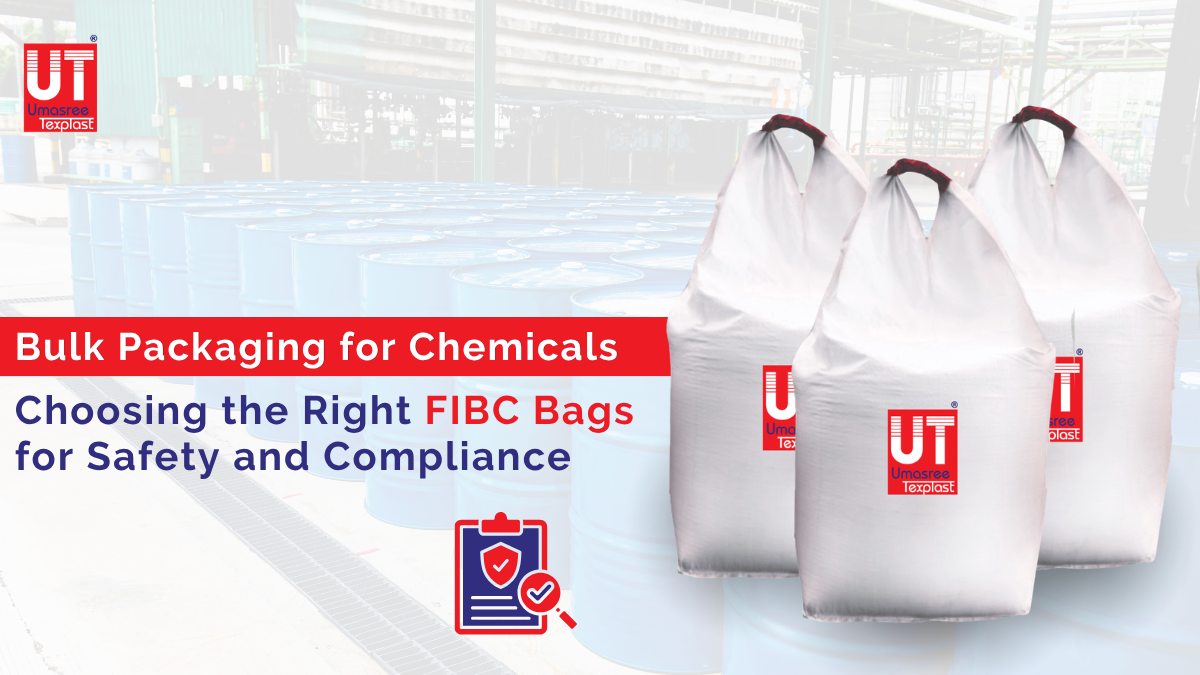
In industries handling hazardous and sensitive materials, bulk packaging for chemicals plays a critical role in ensuring product safety, operational efficiency, and regulatory compliance. Chemicals whether in powder, granule, or crystalline form require robust packaging solutions that can withstand handling stress, environmental exposure, and transportation risks.
Flexible Intermediate Bulk Containers (FIBCs), also known as jumbo bags, have become the preferred choice for chemical packaging due to their strength, flexibility, and cost-effectiveness. However, selecting the right FIBC bags for safety and compliance requires a deep understanding of material properties, environmental conditions, and industry standards.
Understanding Bulk Packaging for Chemicals
Bulk packaging for chemicals involves safely storing and transporting large quantities of chemical materials without compromising quality or safety. FIBC bags are widely used because they are made from woven polypropylene fabric, offering durability, high load capacity, and adaptability for different industrial needs.
Typically, FIBC bags can carry loads ranging from 500 kg to 2000 kg and are designed for efficient handling using forklifts or cranes. Their lightweight yet strong structure makes them ideal for industries such as chemicals, pharmaceuticals, fertilizers, and mining.
Why Safety and Compliance Are Essential?
When dealing with chemicals, even minor packaging failures can lead to serious consequences, including contamination, leakage, environmental hazards, and safety risks for workers.
Key Safety Considerations:
- Containment of Hazardous Materials
Properly designed FIBC bags prevent leaks and spills during transport and storage.
- Regulatory Compliance
Chemical packaging must meet international standards such as UN certifications to ensure safe transportation of hazardous goods.
- Protection Against External Factors
Moisture, UV exposure, and static electricity can affect both packaging integrity and product quality.
Using the right FIBC bags for safety and compliance ensures adherence to these standards while minimizing operational risks.
Types of FIBC Bags for Chemical Applications
Choosing the correct FIBC bag type is one of the most important decisions in bulk packaging for chemicals. Different bag types are designed to address specific risks.
Type A FIBC Bags
Suitable for non-flammable chemicals, these bags do not provide protection against static electricity and are best used in low-risk environments.
Type B FIBC Bags
These bags limit static discharge but do not fully dissipate electrostatic charges, making them suitable for certain dry materials.
Type C FIBC Bags
Also known as conductive bags, they are designed with interwoven conductive threads and must be grounded during use to safely dissipate static electricity.
Type D FIBC Bags
Made from anti-static fabric, these bags safely dissipate static charges without requiring grounding, making them ideal for automated environments.
Selecting the right type ensures that your packaging aligns with the safety requirements of the chemicals being handled.
Key Features That Ensure Safety and Compliance
When selecting FIBC bags for safety and compliance, several features should be evaluated to ensure optimal performance.
- High Load Capacity and Strength
FIBC bags are engineered to carry heavy loads while maintaining structural integrity during lifting, stacking, and transportation.
2. UV Protection
Exposure to sunlight can weaken polypropylene fabric over time. UV-stabilized FIBC bags help maintain durability, especially for outdoor storage.
3. Inner Liners for Protection
Liners provide an additional layer of protection against moisture, contamination, and chemical reactions.
4. Customizable Design Options
FIBC bags can be customized with features such as filling spouts, discharge systems, and different loop designs to suit specific handling requirements.
5. Compliance with UN Standards
UN-certified FIBC bags undergo rigorous testing, including drop, stacking, and top-lift tests, ensuring they meet global safety regulations.
Factors to Consider When Choosing FIBC Bags
Selecting the right FIBC bag involves evaluating multiple factors to ensure safe and efficient bulk packaging for chemicals.
Material Compatibility
Ensure the bag material is chemically compatible with the product to prevent reactions or degradation.
Environmental Conditions
Consider factors such as humidity, temperature, and UV exposure that may affect bag performance.
Static Control Requirements
For flammable or combustible materials, choose Type C or Type D bags to prevent electrostatic risks.
Storage and Transport Conditions
Assess whether the bags will be stored indoors or outdoors and select features like UV protection or liners accordingly.
Compliance and Certification
Always verify that the bags meet required industry standards and certifications for hazardous materials.
Best Practices for Safe Chemical Packaging
To maximize the effectiveness of FIBC bags for safety and compliance, businesses should follow best practices:
- Conduct regular inspections for wear and damage
- Use proper lifting and handling techniques
- Store bags in controlled environments when possible
- Ensure grounding for conductive bags where required
- Train personnel on safe handling procedures
These practices help maintain product integrity and reduce the risk of accidents.
Industry Trends in Chemical Bulk Packaging
The demand for advanced packaging solutions is increasing as industries focus more on safety and sustainability.
Key Trends Include:
- Growing use of UN-certified FIBC bags for hazardous chemicals
- Increased adoption of anti-static and conductive bags
- Rising demand for customized packaging solutions
- Integration of UV protection and advanced liners
- Focus on reusable and recyclable materials
These trends highlight the evolving nature of bulk packaging for chemicals and the importance of innovation in meeting industry demands.
Bottom Line
Choosing the right solution for bulk packaging for chemicals is essential for ensuring safety, compliance, and operational efficiency. From selecting the appropriate FIBC type to incorporating features like UV protection, liners, and static control, every detail plays a crucial role in protecting both the product and the environment.
Reliable FIBC bags for safety and compliance not only reduce risks but also improve logistics, maintain product quality, and ensure adherence to global regulations. By investing in high-quality bulk packaging solutions, businesses can achieve long-term efficiency and safety in their supply chain.
For dependable, high-performance FIBC solutions tailored to chemical packaging needs, businesses can rely on the expertise of Umasree Texplast.