




How Lifting Loops, Closures, and Discharge Systems Enhance FIBC Bag Efficiency?
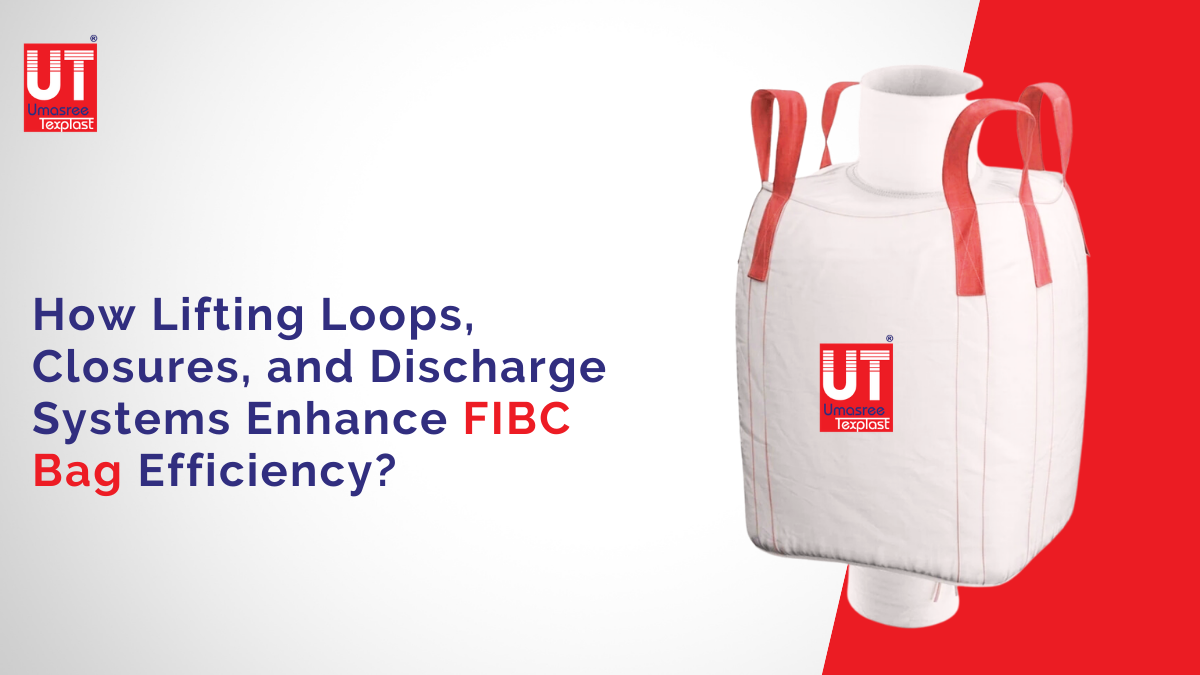
Bulk packaging may appear simple from the outside a large bag carrying materials from one place to another. But behind every efficient bulk handling operation lies thoughtful engineering. The performance of an FIBC bag doesn’t depend only on fabric strength or load capacity; it is significantly influenced by its functional components.
Three critical elements lifting loops, closures, and discharge systems determine how efficiently materials are handled, transported, stored, and unloaded. When designed correctly, these features transform standard bulk bags into high-performance logistics tools that save time, reduce waste, and improve operational safety.
This guide explores how these components enhance FIBC bag efficiency, helping businesses choose smarter packaging solutions.
Understanding FIBC Bags Beyond Basic Packaging
Flexible Intermediate Bulk Containers (FIBC bags), also known as jumbo bags or bulk bags, are widely used for transporting powders, granules, agricultural products, chemicals, and construction materials.
However, modern supply chains demand more than just storage capacity. Companies now prioritize:
- Faster loading and unloading
- Worker safety
- Reduced material loss
- Compatibility with automation
- Improved handling efficiency
This is where advanced bag features play a decisive role.
The Role of Lifting Loops in Efficient Material Handling
Lifting loops are among the most important structural components of FIBC bags. They enable safe lifting using forklifts, cranes, or hoisting equipment.
Why Lifting Loops Matter
Every movement of a bulk bag from filling station to warehouse and finally to shipment depends on lifting loops. Poor loop design can cause instability, delays, or even accidents.
Types of Lifting Loops
- Corner Loops – Attached at bag corners, offering balanced lifting and stable handling.
- Cross-Corner Loops – Designed for easy forklift access, reducing alignment time during lifting.
- Tunnel Loops – Allow quick insertion of forklift arms, improving operational speed.
- Single or Double Loop Designs – Ideal for automated filling and high-volume logistics operations.
Efficiency Benefits
- Faster loading and unloading cycles
- Reduced manual handling effort
- Improved workplace safety
- Better load balance during transport
Well-engineered lifting loops directly contribute to smoother warehouse workflows and lower operational downtime.
Closures: Protecting Products from Filling to Final Delivery
Closures are often underestimated but play a vital role in maintaining product integrity. The closure system seals the bag during storage and transportation, protecting materials from contamination and environmental exposure.
Common Closure Types in FIBC Bags
- Duffle Top Closure – Provides full opening flexibility for easy filling while allowing secure tying afterward.
- Spout Top Closure – Ideal for controlled filling processes and dust reduction.
- Open Top Bags – Suitable for applications where quick filling is required.
- Flap Closures – Offer additional protection against moisture and external particles.
How Closures Improve Efficiency?
Closures help businesses:
- Prevent product contamination
- Reduce material wastage
- Maintain hygiene standards
- Protect products during long-distance shipping
For industries like food, agri-products, and chemicals, effective closures ensure compliance with safety standards while preserving product quality.
Discharge Systems: The Key to Faster and Cleaner Emptying
If filling efficiency determines productivity at the beginning of the supply chain, discharge efficiency defines success at the end. A poorly designed discharge system can cause product loss, dust emissions, and operational delays.
Types of Discharge Systems
- Discharge Spout – Allows controlled emptying of materials, minimizing spillage.
- Flat Bottom Discharge – Suitable for single-use applications where cutting the bag is acceptable.
- Iris Closure Systems – Enable precise flow control during unloading.
- Conical Bottom Design – Supports smooth discharge of powders and fine materials.
Efficiency Advantages
- Faster unloading operations
- Reduced product residue inside bags
- Cleaner working environments
- Improved material flow control
For businesses handling bulk powders or granules, optimized discharge systems significantly reduce handling time.
How Do These Features Work Together?
The true efficiency of bulk bags comes from the coordination of lifting loops, closures, and discharge mechanisms.
Imagine a logistics cycle:
- Lifting loops enable safe transportation.
- Closures protect materials during storage and transit.
- Discharge systems ensure smooth unloading at the destination.
When these components function seamlessly, businesses experience:
- Reduced labor costs
- Faster turnaround times
- Lower product loss
- Improved operational consistency
This integrated design transforms FIBC bags into performance-driven packaging solutions.
Industry Applications Where Efficiency Matters Most
Different industries benefit uniquely from optimized FIBC bag features.
- Agriculture – Grain handling becomes faster and cleaner with controlled discharge systems.
- Chemical Industry – Secure closures prevent contamination and ensure safe transport.
- Construction Sector – Strong lifting loops support heavy materials like cement and minerals.
- Food Processing – Hygienic closures and efficient discharge systems maintain product purity.
- Mining & Minerals – Robust loop designs ensure safe handling of dense materials.
Each industry relies on these structural elements to improve logistics efficiency.
Choosing the Right FIBC Bag Configuration
Customers purchasing bulk bags should evaluate operational needs before selecting configurations. Consider the following:
- Type of material handled
- Filling method (manual or automated)
- Transportation equipment used
- Storage duration
- Dust control requirements
- Discharge precision needed
Custom-designed FIBC bags often provide better long-term value than generic options.
Hidden Cost Savings Through Smart Design
Many businesses focus only on the bag price, overlooking efficiency gains. Advanced lifting loops, closures, and discharge systems help reduce:
- Product spillage losses
- Labor time
- Cleaning expenses
- Equipment downtime
- Safety risks
Over time, these operational improvements generate significant cost savings.
Conclusion
FIBC bags are far more than storage containers they are engineered tools designed to streamline bulk handling operations. Lifting loops ensure safe transportation, closures preserve product quality, and discharge systems enable efficient unloading.
Together, these features enhance productivity, minimize losses, and improve workplace safety across industries. By understanding how these components influence performance, businesses can make smarter packaging decisions that improve overall logistics efficiency.
Investing in well-designed FIBC bags ultimately means investing in smoother operations, stronger supply chains, and better customer outcomes.
Partner with Umasree for expertly engineered FIBC solutions designed to maximize safety, efficiency, and performance across every stage of your supply chain.