




Big Bag Packaging Guide: Types, Load Capacity, and Industrial Applications
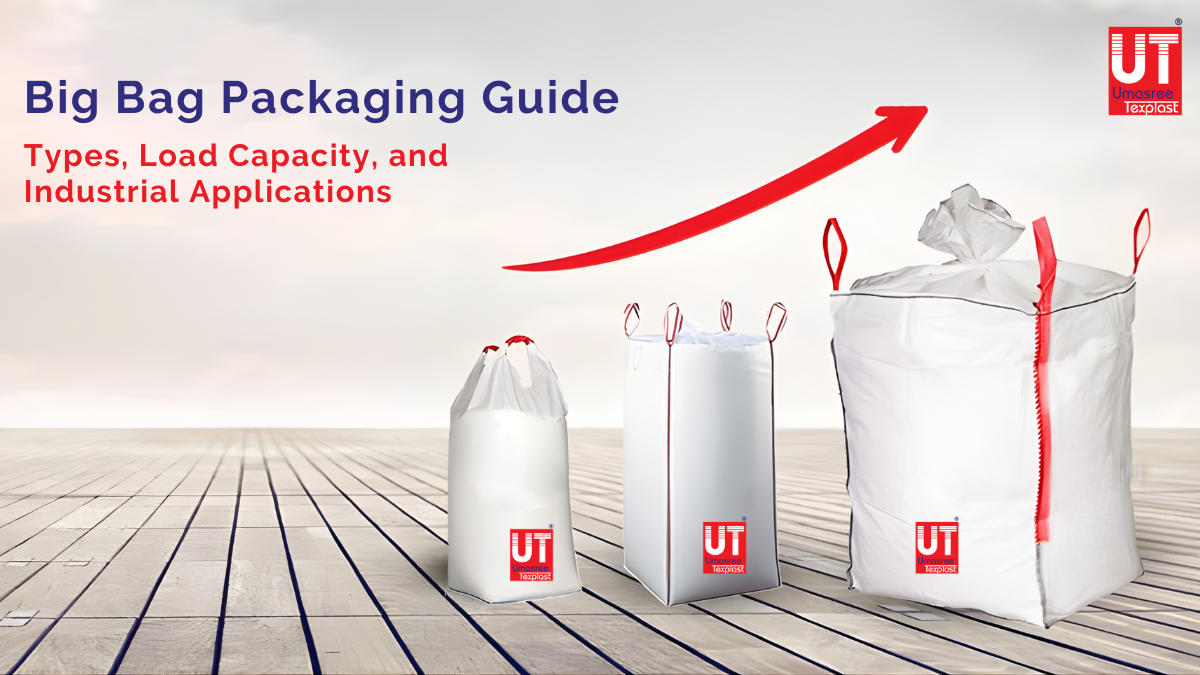
Big bag packaging has become an essential solution for industries that handle bulk materials daily. From agriculture and construction to chemicals and food processing, businesses rely on big bags to store, transport, and protect products efficiently. Designed for strength, flexibility, and cost-effectiveness, big bags simplify logistics while ensuring product safety across the supply chain.
This comprehensive guide explores the different types of big bags, their load capacities, and how various industries use them. Whether you’re new to bulk packaging or looking to optimize your operations, understanding big bag packaging can help you make smarter decisions for productivity and sustainability.
What is Big Bag Packaging?
Big bag packaging, often referred to as FIBC bags (Flexible Intermediate Bulk Containers), is designed to transport and store dry, flowable products such as powders, granules, and flakes. Made from woven polypropylene, these bags are known for their durability, flexibility, and ability to carry heavy loads while minimizing packaging waste.
Big bags are widely used because they are:
- Lightweight yet strong
- Easy to handle and transport
- Customizable for various industries
- Cost-effective compared to rigid containers
- Reusable and recyclable
Their versatility makes them an ideal choice for businesses aiming to streamline bulk packaging and logistics.
Types of Big Bags Used in Industrial Packaging
Selecting the right type of big bag is critical to ensuring safety, efficiency, and compliance. Different designs cater to specific product requirements and industry standards.
1. Standard Big Bags
These are commonly used for non-hazardous materials such as grains, sand, fertilizers, and plastic granules. They provide basic protection and are suitable for general storage and transport.
2. Type A Big Bags
Type A bags are made from regular woven polypropylene and are used for transporting non-flammable materials. However, they do not offer static protection and should not be used in environments with flammable gases or dust.
3. Type B Big Bags
Type B bags are designed to prevent dangerous brush discharges and are suitable for dry, flammable powders. While they offer better static control than Type A, they still require proper grounding for safe handling.
4. Type C Conductive Big Bags
These bags are woven with conductive threads that must be grounded during use. Type C bags are ideal for handling hazardous materials where electrostatic discharge could pose risks.
5. Type D Anti-Static Big Bags
Type D bags provide static protection without the need for grounding. They are widely used in the chemical industries due to their safety benefits.
6. Circular and U-Panel Big Bags
Circular big bags are seamless and provide better structural strength, while U-panel designs offer improved load distribution. Both options are popular in industries that demand durability and product protection.
Understanding Load Capacity in Big Bag Packaging
Load capacity is one of the most important factors when choosing a big bag. These bags are engineered to carry heavy weights while maintaining stability and safety.
Safe Working Load (SWL)
The Safe Working Load indicates the maximum weight a bag can safely carry. Big bags typically range from 500 kg to 2000 kg, depending on design and material strength.
Safety Factor (SF)
The Safety Factor measures how much stress a bag can handle relative to its SWL. For example:
- 5:1 Safety Factor – Suitable for single-use applications
- 6:1 Safety Factor – Designed for multiple uses
- Higher Safety Factors – Used in specialized industries requiring extra durability
Selecting the correct load capacity helps prevent damage, product loss, and workplace accidents.
Industrial Applications of Big Bag Packaging
Big bag packaging is widely adopted across industries due to its versatility and cost-efficiency.
Agriculture Industry
Farmers and suppliers use big bags to store and transport grains, seeds, fertilizers, and animal feed. The bags protect products from moisture and contamination while simplifying handling.
Construction Sector
Big bags are commonly used to carry sand, gravel, cement, and other construction materials. Their durability and ease of transport make them ideal for large-scale projects.
Chemical Industry
Chemical manufacturers rely on specialized big bags for safe handling of powders and hazardous materials. Anti-static and conductive bags reduce the risk of accidents.
Food Processing Industry
Food-grade big bags are used to package sugar, flour, rice, and other consumables. These bags meet hygiene standards and ensure product safety during storage and shipping.
Mining and Minerals
Mining companies use big bags to transport minerals, ores, and processed materials. Their high load capacity supports efficient logistics operations.
Advantages of Big Bag Packaging
Businesses across industries prefer big bags due to several operational benefits.
- Cost Efficiency – Big bags reduce packaging costs by minimizing material usage and optimizing storage space. Their reusability adds further savings.
- Easy Handling – Designed with lifting loops, big bags can be moved easily using forklifts or cranes, improving workplace efficiency.
- Product Protection – High-quality big bags protect materials from moisture, contamination, and physical damage during transit.
- Sustainability – Many big bags are recyclable and reusable, helping businesses reduce their environmental footprint.
- Customization Options – Companies can customize big bags with liners, coatings, and printing to meet specific packaging requirements.
How to Choose the Right Big Bag?
Selecting the right big bag involves evaluating several factors:
- Type of material being stored
- Weight and load capacity requirements
- Environmental conditions
- Industry safety standards
- Transportation and handling methods
Consulting with a reliable packaging supplier ensures you receive the most suitable solution for your operations.
Best Practices for Handling Big Bags
Proper handling enhances safety and extends the lifespan of big bags.
- Avoid overloading beyond the recommended capacity
- Use appropriate lifting equipment
- Store bags in dry, covered areas
- Inspect bags before reuse
- Follow safety guidelines during transport
These practices help maintain product quality and workplace safety.
Conclusion
Big bag packaging continues to play a crucial role in modern industrial logistics. With multiple types available, varying load capacities, and wide-ranging applications, these bags offer businesses a practical, economical, and sustainable solution for bulk material handling. Understanding the different options ensures safer operations, reduced costs, and improved efficiency across industries.
By choosing the right big bag packaging, companies can enhance product protection, streamline supply chains, and support environmentally responsible practices.
Looking for high-quality big bag packaging solutions tailored to your industry needs? Umasree Texplast delivers durable, customizable, and sustainable FIBC bags designed for safe and efficient bulk handling. Contact Umasree Texplast today to explore reliable packaging solutions that support your business growth.