




Ventilated FIBC Bags Explained: The Smart Solution for Modern Agricultural Packaging
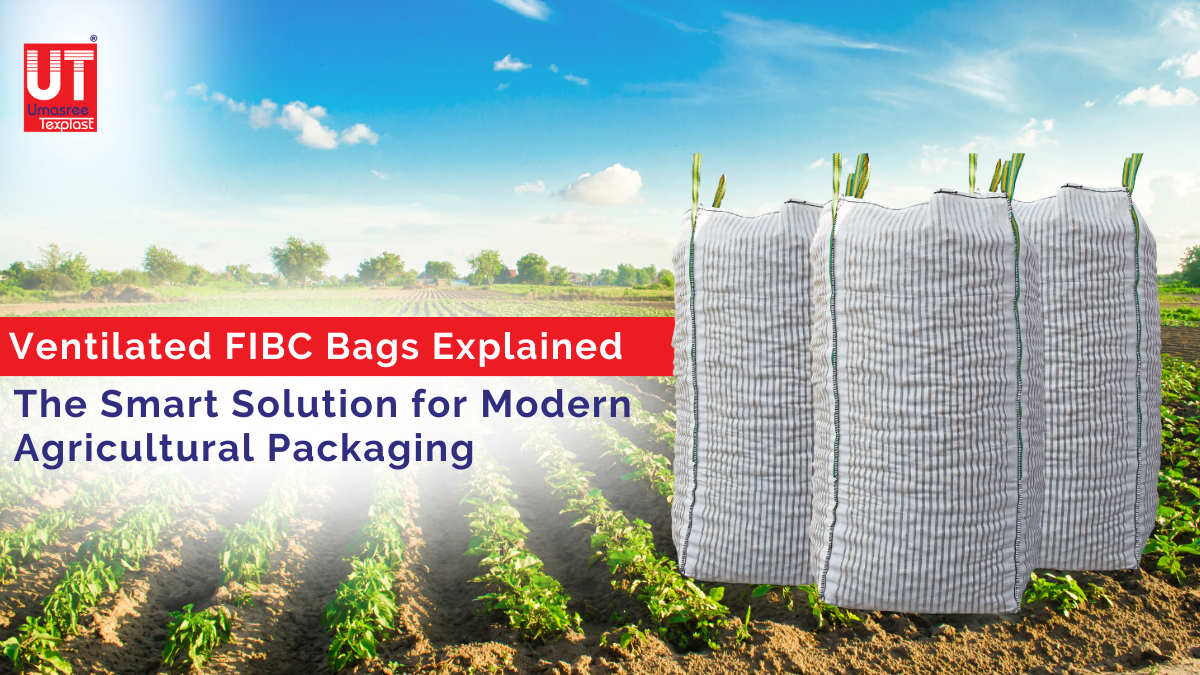
Agriculture has evolved far beyond traditional farming practices. Today’s agricultural supply chains operate globally, moving fresh produce, seeds, and crops across long distances while maintaining quality and freshness. However, one challenge continues to affect farmers, exporters, and distributors alike product spoilage caused by poor ventilation during storage and transport.
Moisture buildup, trapped heat, and lack of airflow can quickly reduce the quality of agricultural products. This is where Ventilated FIBC Bags have emerged as a game-changing solution.
Designed specifically for breathable storage and transportation, ventilated bulk bags help maintain product freshness while improving operational efficiency. From potatoes and onions to firewood and agricultural produce, these specialized bags are becoming essential in modern agricultural packaging.
Let’s explore why ventilated FIBC bags are transforming agricultural logistics worldwide.
What Are Ventilated FIBC Bags?
Ventilated FIBC bags (Flexible Intermediate Bulk Containers) are bulk packaging solutions engineered with ventilation panels or breathable fabric structures that allow controlled airflow inside the bag.
Unlike conventional bulk bags that trap moisture, ventilated bags enable air circulation, helping agricultural products remain fresh during storage and transit.
Key Design Features
- Breathable woven panels or ventilation strips
- Strong polypropylene fabric construction
- Optimized airflow channels
- High load-bearing capacity
- Stackable and reusable design
These features make ventilated bags ideal for agricultural commodities that require continuous air exchange.
Why Ventilation Matters in Agricultural Packaging?
Fresh agricultural produce continues to “breathe” even after harvesting. Without proper airflow, heat and moisture accumulate inside packaging, accelerating spoilage.
Problems with Traditional Packaging
- Condensation buildup
- Mold and fungal growth
- Reduced shelf life
- Product discoloration
- Weight loss and quality degradation
Ventilated FIBC bags solve these issues by allowing natural airflow and maintaining a balanced internal environment.
How Ventilated FIBC Bags Work?
The effectiveness of ventilated bulk bags lies in their engineered airflow system.
Instead of fully coated fabric, these bags include ventilation panels strategically positioned along the sides. These openings allow air to circulate while still protecting products from contamination. When stacked or transported:
- Heat escapes naturally
- Moisture evaporates
- Fresh air flows continuously
- Product freshness is preserved
This simple yet powerful design dramatically improves storage performance.
Agricultural Products That Benefit Most from Ventilated FIBC Bags
Ventilated FIBC bags are widely used across agricultural industries because of their versatility.
- Root Vegetables – Potatoes, onions, and carrots require airflow to prevent sweating and rot.
- Fruits and Produce – Certain fruits benefit from breathable storage during short-term logistics.
- Firewood & Biomass – Ventilation helps reduce moisture retention and improves drying efficiency.
- Seeds and Grains – Proper airflow prevents overheating and maintains seed viability.
- Organic Agricultural Products – Ventilated packaging supports natural preservation without chemical treatments.
By maintaining quality, farmers and exporters reduce waste and improve profitability.
Key Benefits of Ventilated FIBC Bags
- Extended Product Freshness: Air circulation minimizes moisture accumulation, preserving quality during transport.
- Reduced Spoilage Losses: Better airflow prevents mold formation and microbial growth.
- Improved Supply Chain Efficiency: Products arrive in better condition, reducing rejection rates.
- Strong and Durable Packaging: Despite ventilation openings, bags maintain excellent load stability.
- Cost Savings: Lower product damage means higher returns and reduced packaging waste.
For agricultural businesses operating on tight margins, these advantages make a significant difference.
Design Features Buyers Should Look For
When selecting ventilated FIBC bags, buyers should evaluate the following:
- Ventilation panel placement
- Fabric strength and GSM rating
- UV resistance for outdoor storage
- Safe working load capacity
- Filling and discharge options
- Custom sizing availability
High-quality construction ensures airflow without compromising structural strength.
Why Ventilated Bags Improve Logistics Efficiency?
Modern agriculture depends heavily on efficient logistics. Ventilated bags contribute to smoother operations in several ways:
- Easier stacking due to structured design
- Reduced condensation inside containers
- Improved warehouse airflow management
- Lower refrigeration requirements in some cases
These advantages help businesses optimize transportation costs while maintaining product integrity.
Choosing the Right Ventilated FIBC Bags for Your Application
Every agricultural product has different packaging requirements. Consider These Factors:
- Type of crop or material
- Moisture sensitivity
- Transportation distance
- Climate conditions
- Storage duration
For example, long-distance export shipments require stronger airflow control compared to local distribution.
Working with experienced manufacturers ensures customized solutions aligned with product needs.
Sustainability Advantages in Agriculture
Ventilated FIBC bags also support environmentally responsible practices.
- Reusable packaging reduces waste
- Durable materials extend lifecycle usage
- Reduced product spoilage lowers food waste
- Efficient logistics decreases transportation emissions
Sustainable packaging is becoming a priority for agricultural exporters worldwide, making ventilated bags a smart long-term investment.
Conclusion
Agricultural packaging is no longer just about containment it’s about preservation, efficiency, and value protection. Ventilated FIBC bags provide an intelligent solution that balances airflow with strength, ensuring agricultural products remain fresh from farm to destination.
By preventing moisture buildup and maintaining stable storage conditions, these bags help reduce losses, improve logistics performance, and enhance overall supply chain reliability. For businesses seeking smarter agricultural packaging solutions, ventilated bulk bags deliver measurable advantages that traditional packaging simply cannot match.
Choose high-quality ventilated FIBC bags from Umasree and protect your agricultural products with reliable, performance-driven bulk packaging solutions.