



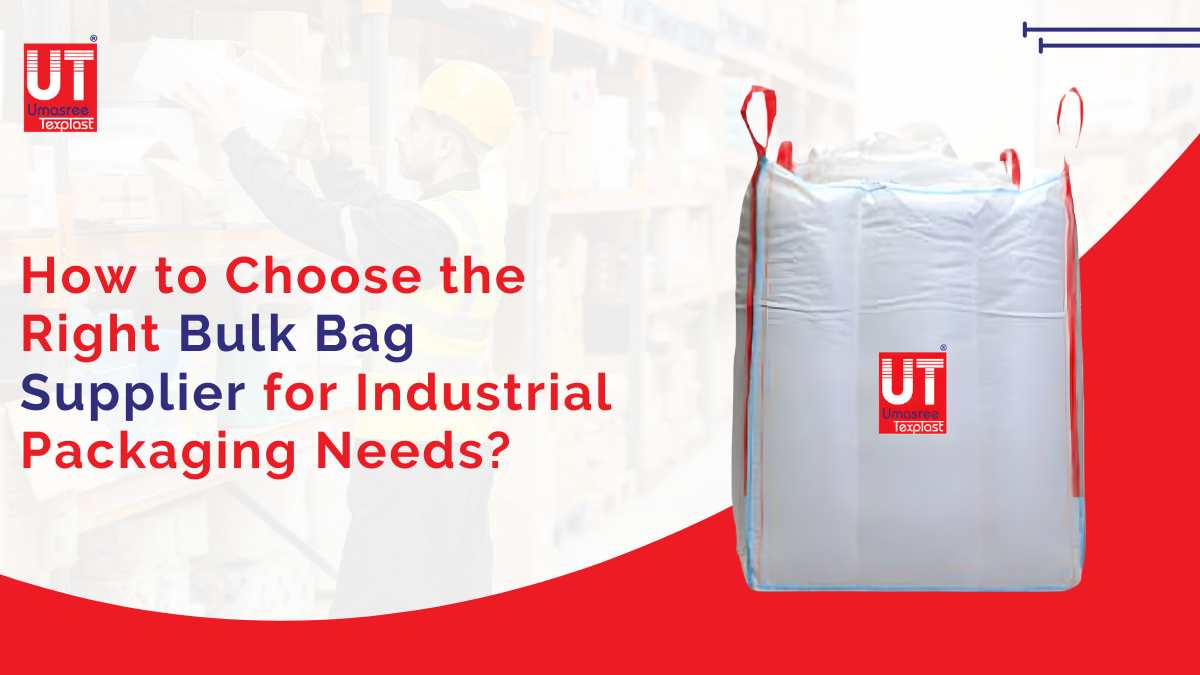
How to Choose the Right Bulk Bag Supplier for Industrial Packaging Needs?
Choosing the right bulk bag supplier is one of the most critical decisions a business can make when it comes to industrial packaging. Whether you’re in construction, agriculture, chemicals, food processing, or logistics, selecting a dependable supplier affects product safety, supply chain efficiency, compliance, and long-term cost management. Flexible Intermediate Bulk Containers (FIBCs), also known as bulk bags, jumbo bags, or big bags, are fundamental for transporting heavy loads of material, so partnering with the right supplier ensures quality, reliability, and performance.
This guide outlines essential factors to consider when choosing a bulk bag supplier that matches your industrial needs.
1. Start with Clear Business Requirements
Before evaluating suppliers, you must define your specific needs. Ask questions such as:
- What material are you transporting or storing?
- Do you need standard or custom bulk bags?
- What is the required capacity and frequency of orders?
- Are special features like liners, UV protection, or antistatic material necessary?
Understanding these specifications helps you shortlist suppliers that can deliver precisely according to your needs. Suppliers that don’t ask questions about your product or application are often not well-equipped to provide optimal solutions.
2. Evaluate Product Quality & Material Strength
Product quality should be non-negotiable when selecting a bulk bag supplier. The bags must reliably withstand the rigors of industrial handling, transport, and storage without tearing, puncturing, or degrading. Look for suppliers that offer:
- High-strength woven polypropylene (PP) or HDPE fabrics
- UV-stable materials for outdoor use
- Reinforced seams and reliable stitch quality
- High tensile strength and burst resistance values
Ask suppliers for material test reports such as tensile, burst, and drop tests to validate performance claims. Quality bulk bags help prevent losses due to product spillage and protect both materials and workers.
3. Check Certifications & Compliance Standards
In many industrial sectors, compliance with safety and quality standards is mandatory—especially when handling hazardous or food-grade materials. A reputable bulk bag supplier should offer products and processes that adhere to recognized certifications like:
- ISO 9001 for consistent manufacturing quality standards
- UN certification for transporting hazardous or regulated goods
- Food-safe compliance for food-grade bulk bags
Certifications not only ensure legal compliance but also reinforce product quality and reliability across international supply chains. Always request updated documentation before finalizing a supplier relationship.
4. Assess Customization Capabilities
No two industries use the exact same bulk packaging. A reliable supplier should provide customization options that cater to your product’s specific characteristics and logistical challenges. Customization aspects can include:
- Different bag types: UN certified, conductive bags, CHROMIQ Type D bags, baffle (Q-bags), or specialty bags
- Various lifting and handling options (1-loop, 2-loop, 4-loop)
- Custom sizes, thickness, and weight capacities
- Filling and discharge options like spout tops or bottom discharge spouts
- Additional features such as liners, anti-UV coatings, or dust-proof seams
Tailored solutions ensure that your bulk bags not only fit your materials but also integrate seamlessly with your handling equipment and storage systems.
5. Examine Manufacturing Capacity & Lead Times
A supplier needs to have adequate production capacity to handle both routine orders and urgent demand surges. Evaluate:
- The supplier’s manufacturing scale and machinery
- Lead times for regular and high-volume orders
- Ability to fulfill bulk or container-load supplies
A supplier with limited output could lead to production delays, affecting your operational schedules. Transparency about production capacity and reliable lead times is a strong indicator of a dependable bulk bag partner.
6. Review Quality Control & Testing Procedures
Consistent quality is only possible if the supplier has robust in-house quality control systems. Ask about their quality assurance processes, which should ideally include:
- Pre-production material checks
- In-process inspections
- Post-production testing (stacking, drop, vibration, and tear tests)
- Documentation for each batch of products
A supplier who tests bulk bags at multiple stages ensures a lower risk of product failure and a higher level of confidence in performance under demanding conditions.
7. Evaluate Supply Chain Support & After-Sales Service
A bulk bag supplier’s value extends beyond just delivering products. Consider the level of support they offer:
- Clear communication during order processing
- Assistance with specification recommendations
- After-sales support for replacements or quality concerns
- Logistics and delivery tracking
Strong supplier relationships contribute to smoother supply chain operations and reduce costly disruptions. Customer service responsiveness is often a key differentiator between average and excellent suppliers.
8. Consider Sustainability & Eco-Friendly Practices
Industrial packaging is increasingly scrutinized for environmental impact. Many businesses now prefer suppliers who adopt sustainable practices—like using recyclable materials or producing reusable bulk bags. Choosing eco-friendly solutions aligns with broader corporate sustainability goals and can enhance brand reputation.
9. Compare Pricing with Long-Term Value
While pricing is important, it should not override quality and reliability. Low prices may seem attractive initially but can result in higher costs due to failures, replacements, or safety issues. Evaluate pricing in context with:
- Product performance and durability
- Testing and compliance features
- Customization and added capabilities
- Supplier reputation and support
Investing more upfront in high-quality bulk bags often delivers better long-term value.
Why Choose Umasree Texplast as your Bulk Bag Supplier?
When it comes to dependable industrial packaging solutions, Umasree Texplast stands out as a trusted partner. With deep expertise in manufacturing FIBC bags, jumbo bags, and bulk packaging solutions, Umasree Texplast combines quality, reliability, and customization for various industrial applications. Their products are designed to withstand demanding logistics environments while ensuring compliance with international safety and quality standards. As a reliable bulk bag supplier, Umasree Texplast focuses on innovation and offers tailored solutions that align with your material type, handling requirements, and operational challenges. Their commitment to excellence and customer support makes them an ideal long-term partner for businesses seeking quality industrial packaging solutions.
Conclusion
Choosing the right bulk bag supplier for your industrial packaging needs is a strategic decision that directly impacts safety, efficiency, and cost-effectiveness. Evaluating product quality, certifications, customization options, production capabilities, and long-term value helps you partner with the right supplier. A dependable partner like Umasree Texplast ensures not only high-performance bulk bags but also consistent support, innovation, and tailored packaging solutions. By selecting the right supplier, you strengthen your logistics operations and set a strong foundation for future business growth.