



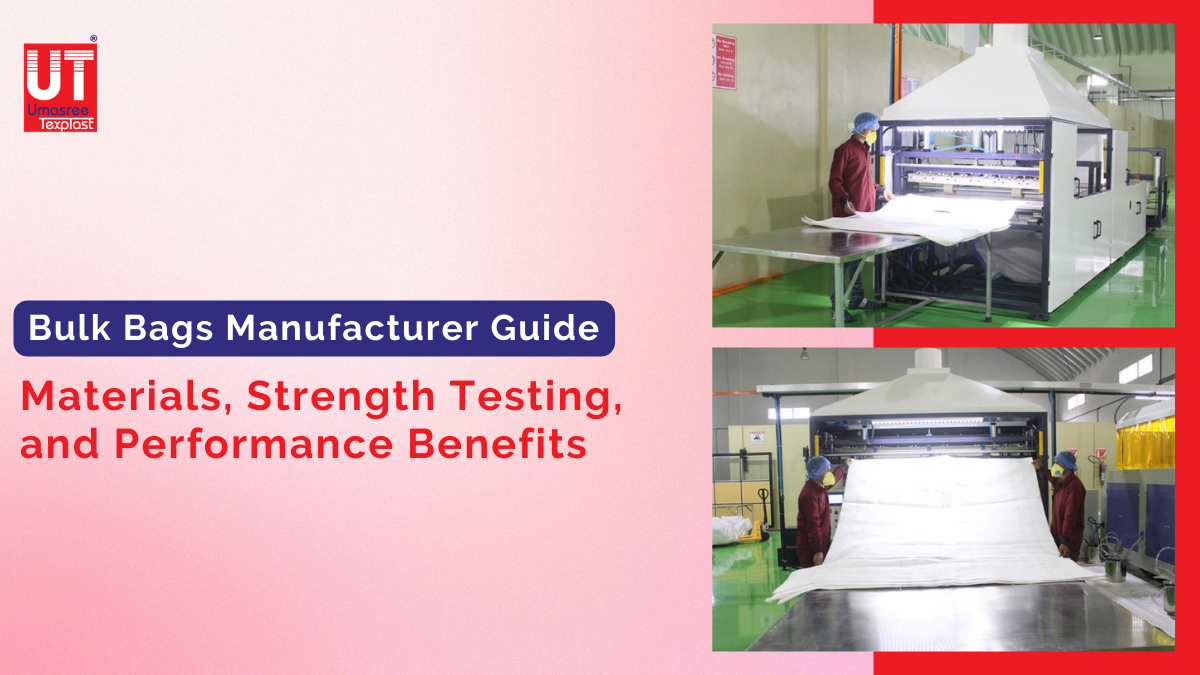
Bulk Bags Manufacturer Guide: Materials, Strength Testing, and Performance Benefits
Bulk bags also known as FIBC bags (Flexible Intermediate Bulk Containers) or jumbo bags have become an essential packaging solution across industries such as agriculture, chemicals, construction, and food processing. Their ability to store and transport large quantities of dry materials safely and efficiently makes them a preferred choice for businesses worldwide.
Choosing the right bulk bags manufacturer is crucial for ensuring product safety, cost efficiency, and operational success. From understanding raw materials to evaluating strength testing and performance benefits, this guide will help you make informed decisions when sourcing FIBC bags for your business.
Understanding Bulk Bags and Their Industrial Importance
Bulk bags are designed to handle loads ranging from 500 kg to over 2000 kg, making them ideal for transporting powders, granules, and bulk solids. Their flexible design, lightweight structure, and high load-bearing capacity make them superior to traditional rigid containers.
A professional bulk bags manufacturer ensures that each FIBC bag meets strict safety, durability, and compliance standards. These bags are engineered to withstand lifting, stacking, and transportation stress, as well as environmental conditions, while maintaining product integrity.
Materials Used in Bulk Bag Manufacturing
The performance of bulk bags depends largely on the quality of raw materials used in their production. Reputable FIBC bag manufacturers carefully select materials that provide strength, flexibility, and environmental resistance.
Polypropylene (PP)
Polypropylene is the most commonly used material in jumbo bag manufacturing. It offers excellent tensile strength, resistance to moisture, and durability under heavy loads. Woven polypropylene fabric provides the structural integrity required for safe handling and transportation.
Recycled PET (rPET)
Our sister company – Packem Umasree manufactures FIBC Bags from PCR rPET flakes to support sustainability initiatives. rPET bulk bags help reduce plastic waste while offering comparable strength and durability. These eco-friendly options align with circular economy practices and appeal to environmentally conscious businesses.
Coated vs. Uncoated Fabric
Coated FIBC bags provide additional protection against moisture and dust, making them ideal for fine powders. Uncoated bags offer better breathability and are commonly used for agricultural products such as grains and seeds.
Liners for Product Safety
Inner liners made from polyethylene or aluminum foil are often added to FIBC bags for enhanced product protection. Liners prevent contamination, moisture absorption, and product leakage during transit.
Types of Bulk Bags for Different Applications
Professional bulk bag suppliers design FIBC bags to suit diverse industry needs. Some common types include:
- Type A Bulk Bags – Suitable for non-flammable products with no electrostatic risk.
- Type B Bulk Bags – Designed to prevent highly energetic discharges.
- Type C Bulk Bags – Conductive bags that require grounding during use.
- Type D Bulk Bags – Anti-static bags that safely dissipate static electricity without grounding.
- Food Grade Bulk Bags – Manufactured under hygienic conditions for food and agro-product industries.
- UN Certified Bulk Bags – Designed for hazardous materials, tested according to international safety standards.
Strength Testing in Bulk Bag Manufacturing
Strength testing is a critical process in ensuring the safety and reliability of FIBC bags. A trusted bulk bags manufacturer conducts multiple tests to verify performance under real-world conditions.
Safe Working Load (SWL)
The Safe Working Load indicates the maximum weight a bulk bag can safely carry. SWL ratings are determined based on the bag’s design, stitching quality, and fabric strength.
Safety Factor (SF)
The Safety Factor defines the strength ratio of the bag relative to its rated load. Common SF ratings include:
- 5:1 for single-use bulk bags
- 6:1 for multi-trip bulk bags
- 8:1 for heavy-duty applications
Top Lift Testing
This test evaluates the bag’s ability to withstand lifting forces when filled. The bag is lifted repeatedly to simulate real handling conditions.
Drop Testing
Drop tests assess the bag’s resistance to impact. Filled bags are dropped from a specified height to ensure they do not rupture or leak.
Tear and Tensile Strength Testing
Fabric samples undergo tensile testing to measure resistance against tearing and stretching under load.
By conducting rigorous testing, a reliable FIBC manufacturer ensures that bulk bags meet international safety standards.
Performance Benefits of High-Quality Bulk Bags
Partnering with an experienced bulk bags manufacturer offers several performance advantages that contribute to operational efficiency.
1. Enhanced Load Stability
Well-designed bulk bags maintain structural integrity even under heavy loads. Reinforced stitching and durable fabric reduce the risk of bag failure.
2. Cost-Effective Packaging Solution
Compared to rigid containers, FIBC bags are lightweight, foldable, and easy to transport, reducing logistics costs and storage space requirements.
3. Improved Handling Efficiency
Bulk bags are designed for easy lifting using forklifts or cranes, enabling faster loading and unloading processes.
4. Environmental Sustainability
Recyclable materials and reusable designs make bulk bags an eco-friendly packaging option. Sustainable manufacturing practices further reduce environmental impact.
5. Versatility Across Industries
From chemicals and minerals to agricultural products and food ingredients, bulk bags provide adaptable packaging solutions for various sectors.
Choosing the Right Bulk Bags Manufacturer
Selecting the right bulk bags supplier involves evaluating multiple factors, including:
- Manufacturing expertise and industry experience
- Quality certifications and compliance with international standards
- Customization capabilities
- Strength testing protocols
- Sustainable material options
- Timely delivery and customer support
Working with a reputable manufacturer ensures that your packaging needs are met with precision and reliability.
Future Trends in Bulk Bag Manufacturing
The bulk packaging industry continues to evolve with advancements in material technology and sustainability practices. Innovations such as biodegradable fabrics, advanced anti-static properties, and digital tracking solutions are shaping the future of FIBC bags.
Manufacturers are increasingly adopting eco-friendly materials like rPET, focusing on reducing carbon footprints while maintaining product performance.
Conclusion
Bulk bags play a vital role in modern industrial packaging, offering strength, flexibility, and cost efficiency. Understanding materials, strength testing procedures, and performance benefits helps businesses choose the right FIBC solutions for their operations.
A reliable bulk bags manufacturer ensures quality, safety, and compliance while supporting sustainability initiatives. By investing in high-quality bulk bags, companies can optimize logistics, reduce costs, and enhance product protection.
Looking for a trusted partner for high-performance bulk packaging solutions? Umasree Texplast is a leading bulk bags manufacturer delivering durable, customizable, and eco-friendly FIBC bags designed to meet diverse industry needs. Contact Umasree Texplast today to discover reliable packaging solutions that combine strength, safety, and sustainability.