
Bulk Bags Wholesaler Guide: What Buyers Should Look for in 2026!
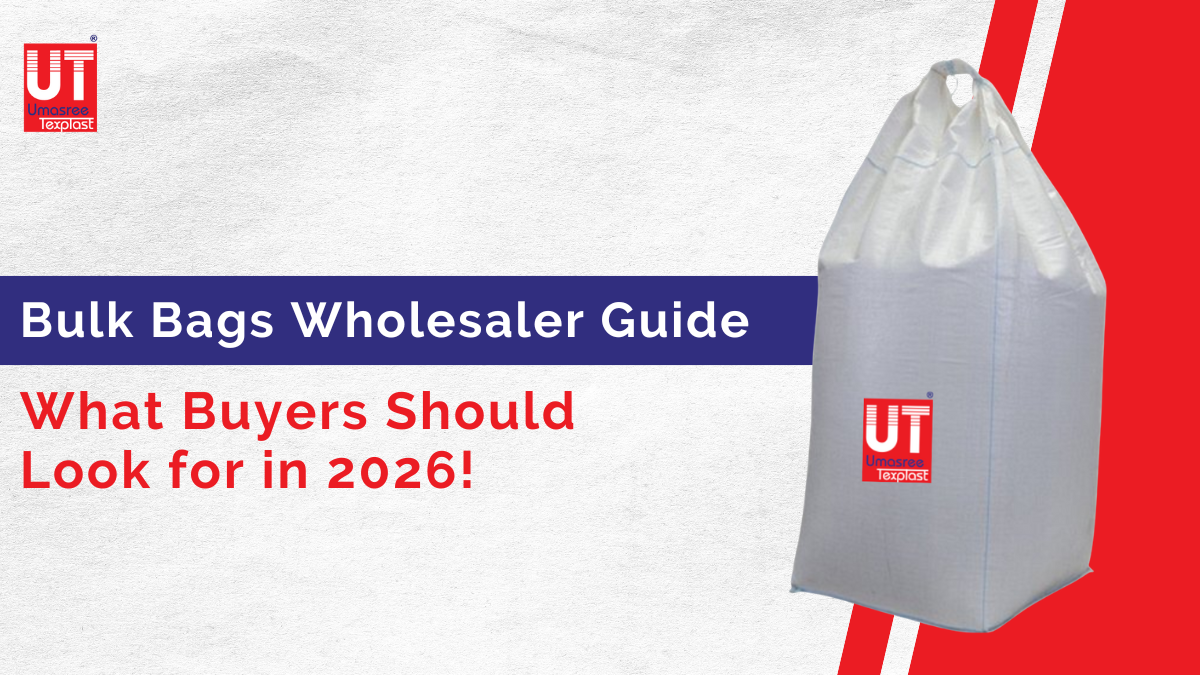
In 2026, the bulk bags market especially for FIBC (Flexible Intermediate Bulk Containers), jumbo bags, and big bags is more dynamic, quality-driven, and environmentally conscious than ever before. Whether you’re sourcing packaging for agriculture, chemicals, food, construction, or logistics, choosing the right bulk bags wholesaler is critical to operations, safety, and cost efficiency. This guide helps buyers identify the essential features, certifications, and service qualities you should prioritize when working with packaging suppliers in 2026.
1. Understand the Modern Bulk Bags Market
FIBC and bulk bags remain the go-to solution for handling and transporting dry, flowable materials such as grains, powders, minerals, and industrial chemicals. The market has evolved with improved materials, better load performance, and sustainability expectations. In 2026, buyers must consider not just price, but quality, reliability, certifications, and support from their wholesaler.
Key trends shaping the market include stronger fabrics with enhanced UV resistance, conductive and anti-static options for sensitive materials, traceability features like RFID tagging, and a pivot toward eco-friendly and recyclable production practices.
2. Certifications and Quality Standards Matter
When evaluating bulk bags wholesalers, one of the first things to verify is their quality certifications and manufacturing standards. Reputable suppliers adhere to international certifications such as ISO 9001 for quality management, ISO 14001 for environmental practices, ISO 45001 for safety, and relevant food safety standards if handling food-grade materials. In some cases, UN certification is essential for hazardous products.
These certifications ensure a structured quality approach from raw material selection to final product performance and give buyers confidence that the bags will perform reliably under real-world logistics conditions.
3. Strong Quality Control and Testing Procedures
A reputable bulk bags wholesaler should have robust quality control and testing systems in place. These often include:
- Material tensile strength and UV resistance testing
- Safe Working Load (SWL) evaluations
- Destructive and non-destructive testing
- Barrier and leak resistance checks
These tests help confirm that a bulk bag can safely handle the load and environmental conditions specified by your application, reducing operational risks such as spillage and product loss.
4. Product Customization and Technical Support
Every industry has unique packaging needs. Good wholesalers offer customization options including sizes, fabric types, filling and discharge spouts, loop configurations, and reinforcement features. Buyers should choose partners who collaborate on tailored solutions rather than offering one-size-fits-all products.
Top wholesalers also provide technical consulting services. Their teams can help you select the appropriate bag type whether standard 4-loop, ventilated bags for fresh produce, conductive FIBCs for explosive environments, or UN certified bulk bags for chemicals based on your product characteristics and handling processes.
5. Sustainability and Environmental Responsibility
Sustainability isn’t just a trend it’s a business imperative. Buyers should look for wholesalers who implement environmentally responsible manufacturing practices, such as using responsibly sourced materials, energy-efficient production, and closed-loop recycling programs.
As regulators and customers demand greener solutions, choosing a partner committed to lower carbon footprints and sustainable supply chains can help enhance your own environmental compliance and brand reputation.
6. Reliable Supply Chain and On-Time Delivery
Supply chain disruptions have taught buyers the importance of supplier reliability. The best bulk bags wholesalers maintain diverse production facilities or inventory hubs to support consistent availability and delivery performance.
Look for partners offering transparent communication, advanced planning systems, and strong logistics support. A reliable wholesaler can help you mitigate downtime, avoid stockouts, and plan long-term procurement with confidence.
7. Competitive Pricing with Value Assurance
While cost is a significant factor, the lowest price isn’t always the best metric. It’s important to balance affordability with quality, durability, and post-sale support. High-quality bulk bags may cost slightly more initially but often deliver superior lifetime value through durability, lower replacement rates, and reduced operational disruptions.
Choose wholesalers who provide clear pricing structures, volume discounts, and value-added services like technical advice, sample testing, or flexible shipment options.
8. Global Reach and After-Sales Support
In 2026, global reach is a differentiator. A wholesaler with international export experience is more likely to understand cross-border logistics, compliance with import regulations, and quality expectations in different regions.
Equally important is after-sales support. Whether you need assistance with product installation, handling guidelines, or resolving performance concerns, effective support can make your procurement smoother and enhance long-term satisfaction.
9. Evaluate Reputation and Customer Feedback
Before selecting a bulk bags wholesaler, conduct due diligence by reviewing customer testimonials, case studies, and reviews from verified buyers. Reputation is a powerful indicator of product quality, delivery reliability, and service integrity. Many buyers also request sample products to assess performance before placing bulk orders.
Wholesalers who demonstrate a strong track record, transparent communication, and positive customer experiences are typically safer long-term partners.
10. Summary: What a Strong Wholesaler Brings to the Table
To recap, here are the essential qualities to look for in a bulk bags wholesaler in 2026:
- Certified quality and manufacturing standards
- Stringent testing and performance validation
- Customization and technical expertise
- Commitment to sustainability
- Reliable supply chain and delivery performance
- Balanced cost with value and support
- Global reach and after-sales service
- Strong industry reputation
By prioritizing these attributes, buyers can confidently select partners who not only supply bulk bags but also contribute to operational reliability, compliance, and strategic growth.
Conclusion
The bulk bag market in 2026 demands more than just product delivery it requires suppliers who provide certified quality, sustainability, customization, and dependable service. Making an informed choice ensures your business stays efficient, compliant, and competitive in a world where packaging performance and environmental responsibility go hand in hand. Contact Umasree Texplast todaywe check every box to ensure seamless operations and perfectly meet your requirements.